



The economics of digital products have shifted decisively, turning design quality into a direct driver of revenue, adoption, and market value. Companies investing in digital product design are witnessing returns that traditional approaches simply cannot match. Industry research consistently shows that disciplined investment in user experience outperforms equivalent spend in marketing or technology by improving adoption, retention, and long-term profitability. This is not a design argument—it is a leadership decision that makes partnering with a digital product design agency mission-critical in 2026.
What Is a Digital Product Design Agency?
A digital product design agency is a cross-functional partner that translates business strategy into digital products users adopt quickly and use correctly. These agencies close the gap between business objectives and user behavior, delivering products users adopt quickly, trust instinctively, and use correctly.
Unlike traditional design studios that focus primarily on aesthetics, modern digital product design agencies operate at the intersection of technology, psychology, and business strategy. They operate end-to-end, aligning research, design, and engineering around measurable outcomes such as adoption speed, error reduction, and retention.
The Core Services Digital Product Design Agencies Provide
1. Strategic Product Planning and Discovery
The foundation of exceptional digital products begins long before any design work commences. Leading agencies initiate projects with comprehensive discovery phases that include market analysis, competitive research, stakeholder interviews, and user persona development. This strategic groundwork ensures that design decisions align with both business goals and market realities.
2. User Experience (UX) Research and Design
UX design directly governs task efficiency, error rates, onboarding speed, and time-to-value. Through methods like user interviews, behavioral analytics, journey mapping, and usability testing, agencies identify pain points and opportunities. Research from established UX authorities shows that poor visual hierarchy and layout directly increase abandonment and reduce repeat usage.
3. User Interface (UI) Design
While UX addresses functionality and flow, UI design brings products to life visually. This encompasses everything from color palettes and typography to iconography and micro-interactions. Simplified interfaces consistently correlate with faster onboarding, lower support costs, and higher user confidence.
4. Prototyping and Wireframing
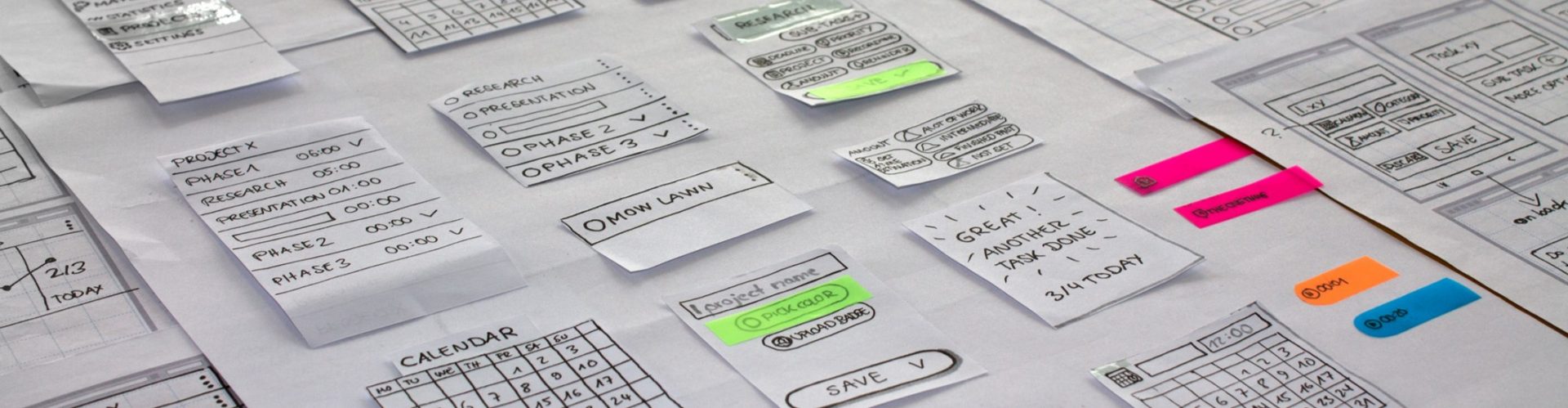
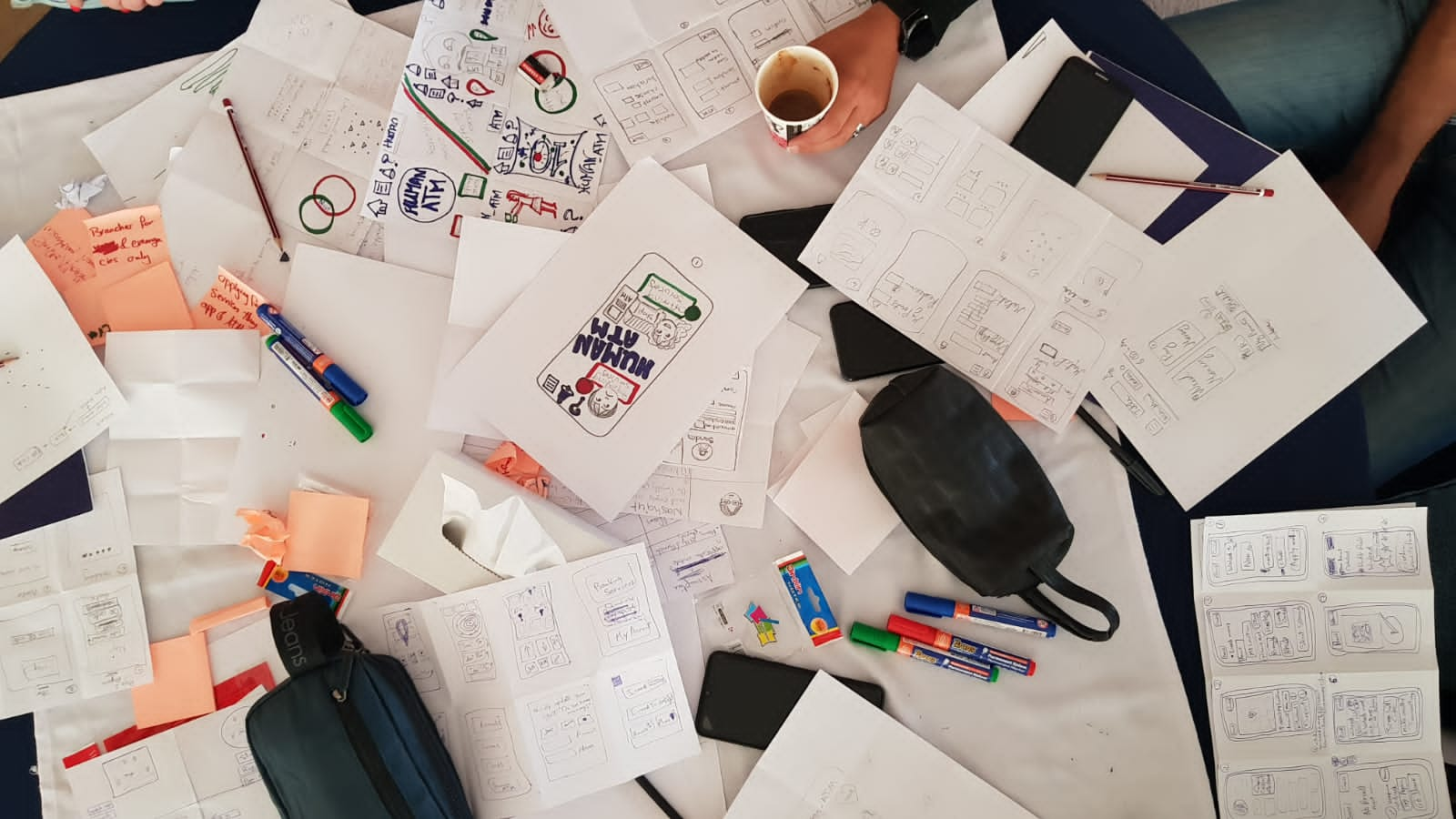
Before committing resources to full development, agencies create interactive prototypes and wireframes. These clickable models expose workflow and usability risks early, allowing teams to resolve issues before committing significant engineering cost.
5. Design Systems and Component Libraries
For products that need to scale or maintain consistency across multiple platforms, agencies develop comprehensive design systems. These reusable component libraries ensure visual and functional consistency while accelerating future development cycles.
6. Product Development and Engineering
Many digital product design agencies now offer end-to-end services that include actual software development. This integrated approach eliminates handoff friction between design and development teams, resulting in products that faithfully execute the original design vision.
7. Accessibility and Inclusive Design
With regulations such as the European Accessibility Act reshaping procurement and compliance expectations, accessibility has shifted from optional enhancement to business requirement. Agencies ensure products are usable by everyone, including people with disabilities, through high-contrast interfaces, keyboard navigation, screen reader compatibility, and simplified content structures.
The 2026 Digital Product Design Landscape: Key Trends Shaping the Industry
AI-Powered Personalization and Design
Artificial intelligence has evolved from buzzword to indispensable tool. AI now enables hyper-personalization where interfaces adapt in real-time based on individual user behavior and preferences. Platforms track patterns to deliver relevant content, streamline workflows, and create experiences that feel custom-built for each user. Design agencies leverage AI not just in the products they create but in their own processes, using AI-driven tools to generate visual assets, suggest layouts, and prototype interfaces faster than ever before.
Minimalist Design Philosophy
In an era of information overload, users crave simplicity. Minimalist design continues dominating 2026 trends, focusing on clarity and removing unnecessary elements. This approach makes products more intuitive and accessible while improving performance. From mobile applications to enterprise dashboards, minimalism helps users accomplish tasks effortlessly without visual or functional clutter.
Dark Mode as Standard Expectation
Dark mode has transitioned from trendy feature to user expectation. People prefer it not only for its modern aesthetic but because it reduces eye strain during extended use and extends battery life on OLED devices. Creating effective dark mode requires careful consideration of contrast, text readability, and visual comfort across all interface states.
Micro-Interactions and Animated Feedback
Subtle animations and micro-interactions enhance usability by providing immediate feedback when users perform actions. From buttons that pulse when hovered to progress bars that celebrate completion,these details reduce uncertainty, reinforce user confidence, and improve perceived product quality.
Extended Reality (XR) Integration
Augmented reality and virtual reality are shedding their experimental status and moving toward practical, everyday applications. Rather than flashy overlays, 2026 sees minimalist XR implementations with lightweight visual cues and intuitive gestures that integrate smoothly into daily workflows across industries from healthcare to real estate.
Voice-First Interfaces
As users seek hands-free interactions, voice user interfaces have become cornerstone features. Leveraging natural language processing and machine learning, VUIs enable conversational interactions with devices, particularly impacting smart home technology, healthcare, customer service, and automotive systems.
Sustainability-Conscious Design
Designers increasingly recognize their environmental responsibility. Early design decisions significantly influence a product’s long-term operational efficiency and environmental footprint. Progressive agencies now optimize user workflows to reduce energy consumption, select efficient media formats, and create modular features that allow component updates without full rebuilds.
How to Choose the Right Digital Product Design Agency
Selecting the ideal agency partner requires careful evaluation across multiple dimensions. Poor product experiences accelerate user abandonment, making agency selection a material operational and financial risk.
Evaluate Portfolio and Industry Experience
Examine agencies’ previous work for projects that align with your business goals, industry, and desired aesthetic. Strong portfolios showcase versatility and domain expertise. Industry-specific experience accelerates onboarding, reduces misunderstandings, and produces more relevant solutions. For example, fintech product design demands deep understanding of security, trust, and compliance, while SaaS design focuses on reducing churn and simplifying onboarding workflows.
Assess Design Process and Methodology
Understanding how agencies work is as important as reviewing what they produce. Leading agencies employ either Agile methodology, which uses iterative cycles ideal for digital products requiring flexibility, or Waterfall methodology, which follows structured sequences better suited for projects with fixed requirements. The best agencies explain their processes in language you understand without overwhelming you with technical jargon.
Review Client Testimonials and Case Studies
Testimonials from previous clients offer valuable insights into agencies’ reliability, work ethic, and ability to meet deadlines. Look for case studies demonstrating measurable results like higher conversion rates, reduced user errors, and faster task completion. Strong partners explicitly tie design decisions to activation, retention, conversion, and cost-to-support metrics—not aesthetics or trends.
Verify Communication and Collaboration Practices
Effective communication proves vital throughout the design process. Choose agencies that provide dedicated project managers for accountability, demonstrate transparency through regular updates, and respond promptly to questions. The best agencies use modern collaboration tools like Slack for messaging, Figma for design reviews, and project management platforms like Asana or Jira for tracking progress.
Understand Pricing Models and Budget Alignment
Agencies typically offer several pricing structures. Fixed pricing works for clearly defined projects with minimal revisions, providing cost predictability. Time and materials pricing bases costs on actual work hours, ideal for iterative projects with evolving requirements. Value-based pricing aligns with expected business impact and measurable ROI. Engagement costs vary widely based on scope, maturity, and region, reinforcing the need to align pricing models with expected business outcomes rather than deliverables alone.
Confirm Post-Launch Support Capabilities
The design process doesn’t end at launch. Ongoing support proves crucial for addressing issues and implementing improvements. Determine whether agencies offer services to monitor and update products post-launch, including maintenance packages, performance optimization, and feature iteration based on user feedback..
Until next time explore webkeyz’s case studies
and Keep Thinking!