




The UX Designer: Essential Catalyst for Executive Outcomes, Not Just Aesthetics
Meta: A top UX designer drives revenue, retention, and reduces costs. Understand what they do and why their strategic impact is non-negotiable for executive success.
In today’s competitive digital landscape, executives face relentless pressure to deliver measurable growth. Products must not just function; they must captivate, retain, and convert. This demands more than robust technology or clever marketing; it requires a profound understanding of user behavior. Many leaders still view a UX designer as an aesthetic gatekeeper, responsible only for how an interface looks. This perspective is a critical miscalculation, costing companies market share and eroding customer loyalty.
The true value of a UX designer transcends superficial appeal. They are strategic architects, building the invisible bridges between your product and your user’s needs, desires, and ultimately, their wallets. Ignoring this strategic role means leaving revenue on the table, increasing customer churn, and ceding competitive advantage. Your digital presence is often your most direct interaction with your market; its efficacy is a direct reflection of your business intelligence.
At Webkeyz, we understand that design is not merely about making things pretty; it is about making things perform. We treat UX and UI design as two halves of one creative system, blending strategy, design thinking, and data to build user-centered products that drive tangible business outcomes. This integrated approach elevates the UX designer from a tactical role to a strategic partner in your executive vision.
The Core Problem: Misunderstanding Value, Losing Market Share
Executives often greenlight digital initiatives with high hopes, only to see adoption rates falter, engagement metrics stagnate, or customer support costs balloon. The root cause frequently lies in a foundational misunderstanding of user experience. When design is an afterthought or relegated to mere visual polish, the product fails to resonate. It feels clunky, confusing, or irrelevant.
This isn’t a design problem; it’s a business problem. A poor user experience translates directly into lost revenue from abandoned carts, decreased subscription renewals, and a negative brand perception that spreads rapidly in a hyper-connected world. Businesses that fail to prioritize intuitive, delightful user experiences inevitably bleed customers to competitors who do. The stakes are too high for guesswork or assumptions about what users want.
Transition Points: When UX Becomes a P&L Lever
UX is not a “launch phase” activity
The executive mistake is treating UX as a “launch phase” activity. UX is a scale phase discipline. The cost of friction compounds as volume grows. At 1,000 users, confusion creates a few support tickets. At 10,000 users, the same confusion becomes a weekly backlog, slowing product teams and inflating cost-to-serve. At 100,000 users, small UX defects turn into measurable revenue leakage: fewer checkouts, lower activation, weaker renewals, and higher service load.
Where UX directly protects margin
Time-to-value and activation
This is why strategic UX leadership belongs upstream, not downstream. A senior UX designer protects time-to-value by simplifying onboarding and guiding users to the first meaningful outcome fast.
Retention and “silent churn”
A senior UX designer protects retention by removing “silent churn” moments unclear pricing, hidden settings, ambiguous error states, and dead-end flows.
Cost-to-serve and support load
A senior UX designer protects operating margin by designing self-serve resolution, smarter defaults, and clear pathways that reduce avoidable human support.
Regional leverage in MENA
In MENA, the leverage is even sharper. Trust signals, bilingual UX, RTL patterns, and culturally aligned microcopy influence adoption more than executives expect. When UX respects local behavior, conversion rises and support drops. When UX ignores it, growth stalls even with strong marketing and solid engineering.
Hidden Killers: Why Products Fail to Connect
The reasons products disconnect from users are rarely simple. They are often embedded in organizational structures and strategic blind spots that prevent a true user-centric approach from taking root.
Feature Myopia Over User Empathy
Many organizations fall into the trap of feature proliferation, believing that “more is better.” Teams focus on adding functionalities without adequately understanding whether these features solve actual user problems or simply add complexity. This “kitchen sink” approach dilutes the product’s core value proposition, overwhelming users and leading to low feature adoption. The design process becomes about accommodating new features rather than crafting a cohesive, intuitive experience around fundamental user needs.
Siloed Operations and Fragmented Vision
When product, marketing, and design teams operate in isolation, the user experience suffers. Product managers define requirements, designers execute visuals, and developers build, often without a shared, holistic understanding of the end-user journey. This fragmentation leads to inconsistencies, inefficiencies, and a product that feels disjointed. Without a unified vision, owned by a strategic UX lead, critical user insights fail to inform every stage of development, resulting in a product that serves internal departmental goals more than external customer needs.
Data Blindness Beyond Analytics
Executives invest heavily in analytics, yet often struggle to translate raw data into actionable design insights. They see numbers but miss the narrative of user behavior. Without qualitative research interviews, usability testing, ethnographic studies quantitative data remains incomplete. Relying solely on metrics without understanding the “why” behind user actions leads to reactive, rather than proactive, design decisions. It’s like navigating by looking only at the speedometer, ignoring the roadmap.
The Methodology: How Strategic UX Designers Drive Impact
A skilled UX designer is more than a pixel pusher; they are an orchestrator of user journeys, a translator of complex data into intuitive interfaces, and a steadfast advocate for the end-user. Their process is a clear path that guides how products are planned, created, and tested, directly aligning design with business goals.
Decoding User Intent through Deep Research
What research actually uncovers
The first step for any effective UX designer is profound user research. This goes beyond demographics, delving into psychographics, motivations, pain points, and existing behaviors. They employ a range of methodologies: user interviews, contextual inquiries, usability testing, and persona development. This deep dive uncovers true user needs, revealing opportunities for innovation and identifying potential friction points before development even begins.
Architecting Seamless User Journeys
Turning insights into usable flows
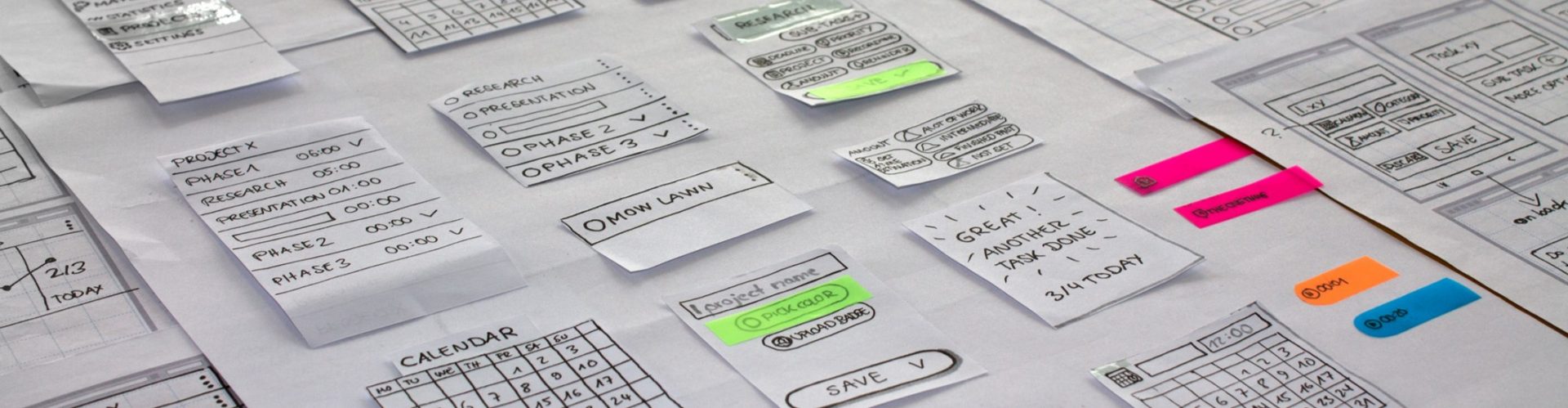
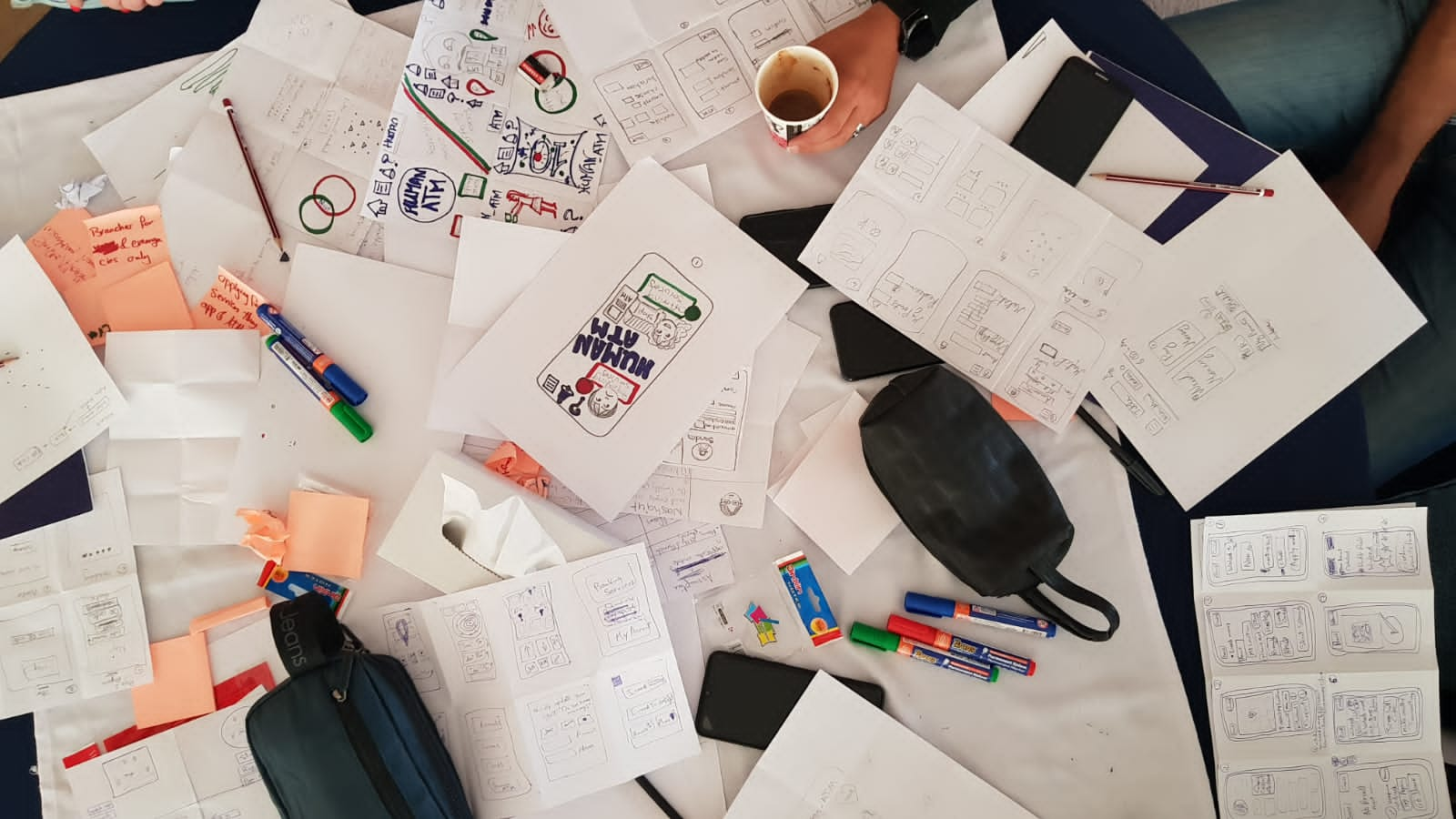
With a clear understanding of the user, the UX designer moves to information architecture and interaction design. This involves structuring content logically, mapping out user flows, and creating wireframes and prototypes. They design how users interact with a product, ensuring every click, swipe, and input feels natural and intuitive.
Optimizing for Business Value and Measurable Outcomes
Designing against KPIs, not opinions
Crucially, a strategic UX designer never loses sight of the business objectives. Working hand-in-hand with product managers, they align design work with overarching business goals and user needs. This means translating user insights into features that drive conversion, retention, or operational efficiency.
Proof & Outcomes: The Tangible Returns of Strategic UX
Investing in strategic UX design is not an expense; it is a direct investment in business performance. The evidence is clear: design-led organizations consistently outperform their competitors in both revenue growth and shareholder returns.
UX impact on ROI and loyalty
Companies that prioritize user experience achieve significantly higher customer satisfaction and loyalty. For instance, Forrester Research has shown that a well-designed user experience can lead to a 400% return on investment.
UX impact on speed and cost
Furthermore, integrating design thinking early in the product lifecycle dramatically reduces development costs and time-to-market. IBM’s Institute for Business Value found that design-led organizations bring products to market twice as fast as their peers, while also generating 30% more revenue.
UX impact on growth and shareholder returns
Finally, strong UX drives adoption. McKinsey highlights that design-driven companies achieve 32% higher revenue growth and 56% higher total returns to shareholders over a five-year period.
Regional Lens: Adapting UX for MENA’s Unique Dynamics
While core UX principles are universal, their application in diverse cultural contexts, particularly in the MENA region, demands nuance.
Localization beyond translation
Designs must account for Arabic script conventions (right-to-left interfaces), local slang in microcopy, and culturally specific visual metaphors that resonate with the target audience.
Practical examples that change adoption
For example, digital payment preferences, communication styles in customer support, or even the intuitive placement of primary navigation elements can vary.
Executive Takeaway: Design is a Strategic Imperative
Understanding what a UX designer truly does is critical for any executive navigating the digital economy. They are not simply artists; they are strategic problem-solvers who connect user needs with business objectives, translating complexity into intuitive experiences that drive revenue and build lasting loyalty.
Until next time explore webkeyz’s case studies
and Keep Thinking!