


Teams that jump straight into high-fidelity design or code buy speed upfront and quietly accumulate rework, delays, and scope risk downstream. High-performing teams start with structure first, because structure is where cost and risk hide.
If the question is why wireframes still matter in 2026, the answer is simple: they reduce uncertainty before it becomes expensive. This guide covers what is wireframe, when to use each type, and how to run wireframing as a decision tool—not an art exercise.
What is Wireframe?
A wireframe is a low-fidelity structural decision artifact that defines a screen’s layout, hierarchy, and intended behavior. Treat it as the blueprint that aligns stakeholders on what gets built before anyone argues about styling. Like a building blueprint, a wireframe locks layout and functional intent before capital is committed to aesthetics or construction.
The Core Purpose of Wireframing
The goal is alignment: one shared view of scope and user flow before delivery, cost, and timelines harden.
It makes four decisions explicit :
- Space allocation: where navigation, content, and conversion elements live.
- Hierarchy: what the user sees first, second, and never misses.
- Behavior: what happens when a user taps, submits, or fails validation.
- Journey: how a user completes the job with minimum friction.
By removing visual polish, wireframes keep conversations on usability, flow, and requirements where the real risks sit.
What is Wireframe vs. Mockup vs. Prototype: the Difference?
Executives see these terms used interchangeably. The differences matter because each supports a different decision. Each belongs to a different stage of commitment: structure, visual direction, then interaction validation.
| Feature | Wireframe | Mockup | Prototype |
| Fidelity | Low (Black & White) | Mid-to-High (Colors/Icons) | High (Interactive) |
| Primary Goal | Structure & Hierarchy | Visual Design & Brand | Interaction & UX Testing |
| Complexity | Simple boxes and lines | Static but realistic visuals | Clickable and functional |
| Best Used For | Initial ideation & alignment | Stakeholder visual approval | User testing & dev handoff |
Why Wireframing is Essential in 2026
AI accelerates output. Wireframes protect outcomes by preventing teams from scaling the wrong structure at machine speed. This discipline matters because design performance tracks business performance: McKinsey & Company found top design performers achieved 32% higher revenue growth and 56% higher shareholder returns than peers. Low-fidelity testing also improves feedback quality- Nielsen Norman Group notes lo-fi prototypes reduce user pressure and make criticism easier to surface early. ” In 2026, wireframing is more critical because delivery cycles are faster and mistakes compound sooner.
1. It Saves Significant Time and Money
Fixing structural issues in wireframes costs hours; fixing them after implementation costs sprints across code, QA, and release planning. Wireframing is risk control: it surfaces usability failures while change is still cheap and reversible.
2. It Improves Team Collaboration
Wireframes create a single source of truth for product, design, and engineering. Wireframes align scope, flow, and screen responsibilities before delivery locks. A concrete layout eliminates ambiguity that text specifications routinely create.
3. It Prioritizes Content Hierarchy
Attention is finite. Structure decides whether value lands fast or gets buried. Wireframing lets teams test IA early so the value proposition and conversion path stay dominant.
4. It Facilitates Early User Testing
Feedback is most valuable before build costs accumulate. Low-fidelity wireframes work well for quick, structured usability checks. Simple tasks like locating pricing in a wireframe reveal navigation gaps before release.
Different Types of Wireframes
Wireframe fidelity should match the decision at hand. Depending on the stage of your project, you might use one of the following:
Low-Fidelity (Lo-Fi) Wireframes
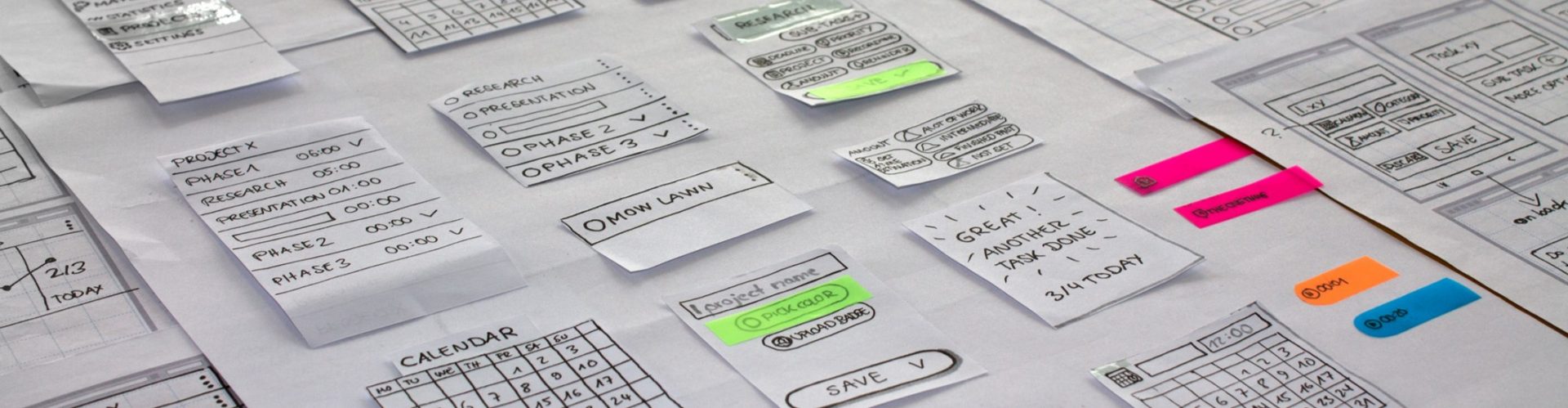
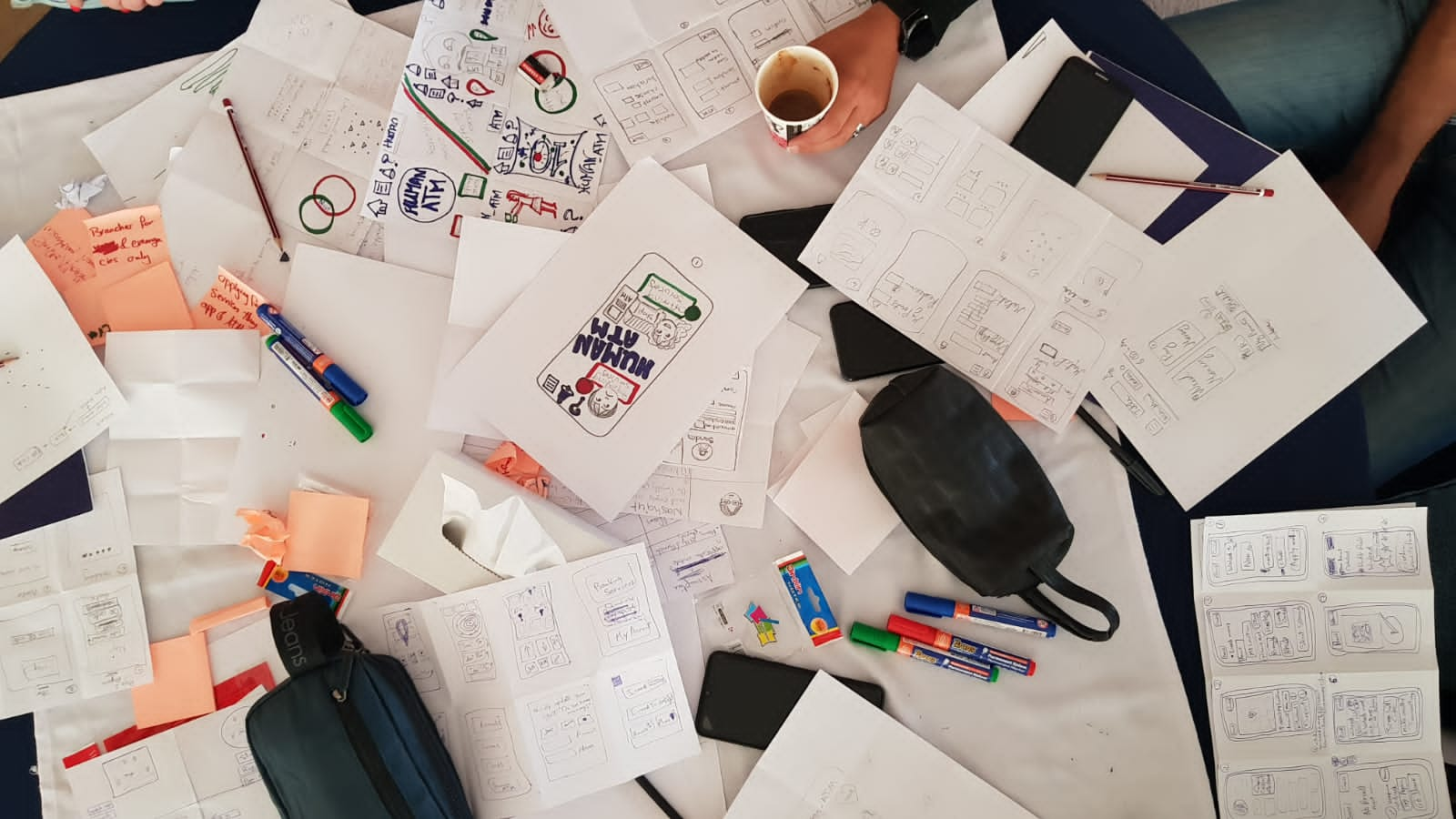
Lo-fi wireframes stay intentionally simple—paper or a digital whiteboard is enough. Use boxes, labels, and placeholder copy only where structure needs clarity.
- Best for: Rapid brainstorming and internal ideation.
Mid-Fidelity (Mid-Fi) Wireframes
Mid-fi wireframes are built in common design tools and introduce consistent spacing and components. Mid-fi adds layout precision and component definitions without visual design.
- Best for: Presenting ideas to stakeholders and defining layout specifications.
High-Fidelity (Hi-Fi) Wireframes
Hi-fi wireframes approach mockups by using real content and tight layout rules to clarify complex screens.
- Best for: Documenting complex interactions for the engineering team.
Top Wireframing Tools for 2026
Choose tools based on collaboration, governance, and delivery speed—not personal preference.
- Figma: used for collaborative design and shared component systems. (Removes unverified absolute claims.) In 2026, AI-assisted features can speed early layout exploration; capability varies by setup and tooling.
- Balsamiq: useful when teams want lo-fi outputs that prevent premature visual debate. The rough style keeps reviews focused on structure and flow.
- Visily: offers AI-supported conversion from inputs to editable wireframes; results depend on input quality. (Avoids hype.)
- Adobe XD: usable for existing teams; long-term roadmap and adoption vary by organization.
How to Create a Wireframe: A Step-by-Step Process
If execution is the goal, run wireframing as a controlled workflow:
Step 1: Research and Define Goals
Before layouts, define the user job, business constraints, and success metrics. Document a lightweight persona and a primary flow that leads to the business outcome.
Step 2: Establish the Information Architecture
Rank content by decision impact: what must be seen, trusted, and acted on. For a landing page, define the value proposition, proof points, and conversion mechanism first then map components.
Step 3: Start with a “Mobile-First” Approach
Mobile first reduces bloat and forces prioritization. Start with mobile to lock the essentials and eliminate nice-to-have clutter.
Step 4: Use a Grid System
Consistency reduces cognitive load and accelerates delivery. Use a responsive grid aligned to the design system; column conventions vary by organization. (Avoids asserting a single standard.)
Step 5: Add Annotations
Wireframes need explicit rules and edge cases. Use notes to explain complex interactions, such as “This button triggers a pop-up modal” or “The navigation bar stays sticky on scroll.”
Step 6: Iterate Based on Feedback
Review wireframes early with product and engineering, then lock decisions with sign-off: approved flow, screen ownership, edge cases, and success metrics. approved flow, screen responsibilities, edge cases, and success metrics. Treat the first draft as disposable. Stress-test flows until failure cases are resolved.
2026 Trends: The Evolution of Wireframing
What is wireframe in 2026? Wireframes stay the same in purpose, but tooling and governance are evolving. Here is what’s changing this year:
- AI co-creation: AI-assisted layout generation can speed early iterations, but outputs still need product accountability and UX validation.” (Fixes broken sentence + removes buzzword.)
- Ethical guardrails: teams should wireframe consent, privacy, and transparency patterns early to reduce compliance risk.
- Sustainable UX: eliminate heavy media and autoplay patterns early, because performance decisions start at structure—not styling.
- Accessibility-first: wireframes should encode hierarchy, focus order, and labeling from day one; tooling support varies.
Conclusion
What is wireframe? A wireframe is the structural decision record behind every serious digital product. It turns an idea into an executable flow with fewer surprises. Investing in wireframes reduces delivery risk and improves usability before code commits harden decisions.
What is wireframe for founders and product leaders, wireframing is a discipline: align early, validate fast, and scale without structural resets.
Until next time explore webkeyz’s case studies
and Keep Thinking!