




Why User Testing is Your Ultimate Risk Mitigation Strategy? Your product roadmap is a hypothesis. Until a real customer interacts with your digital interface, every feature, every user flow, and every design choice is an assumption funded by your balance sheet. Executives routinely approve massive development budgets based on internal consensus, only to watch products stall upon launch. The failure is rarely technical. The failure happens because leadership prioritized speed over validation.
User testing bridges the dangerous gap between executive vision and market reality. It transforms subjective design debates into objective business decisions. Relying on your internal team to validate a product they built creates a dangerous echo chamber. Engineers and product managers suffer from the curse of knowledge—they already know how the system works. Real customers do not.
To optimize your product through real user feedback, you must mandate systematic validation before writing a single line of production code. Gathering real user feedback is not a design phase formality; it is an essential financial safeguard. By treating user experience as a measurable, testable metric, you protect your investment, accelerate your time to market, and ensure your digital products drive revenue rather than frustration.
The Core Problem: The Exponential Cost of Rework
Capital allocation in digital transformation is unforgiving. When you skip user validation, you are gambling your engineering budget on untested assumptions. Engineering time is your most expensive and scarce resource. Deploying that resource to build unvalidated features is a strategic failure.
Executives must understand that user testing is a cost-reduction strategy. Catching issues early avoids costly redesigns and rework, ensuring the efficient use of resources. When usability flaws are discovered post-launch, the financial impact multiplies. You pay to build the wrong feature, you pay to tear it down, and you pay to rebuild it. Meanwhile, you suffer the invisible costs of customer churn, increased support tickets, and brand degradation.
Hidden Killers: Why Smart Organizations Fail to Validate
If the financial logic of testing is clear, why do so many enterprise organizations fail to do it effectively? The root causes stem from cultural blind spots and misaligned corporate incentives. Executives push for arbitrary launch dates, forcing product teams to cut corners. Testing is typically the first casualty of an aggressive timeline.
The Illusion of Internal Validation
Many organizations mistake internal User Acceptance Testing (UAT) for actual user testing. These are fundamentally different exercises. UAT verifies that the software functions according to the technical requirements. It confirms the system does not break. It does not confirm that the target customer can figure out how to use it. When executives accept UAT as proof of product readiness, they invite failure. Your employees are not your customers. Their ability to navigate a system they helped define provides zero indication of market readiness.
The Speed-to-Market Myth
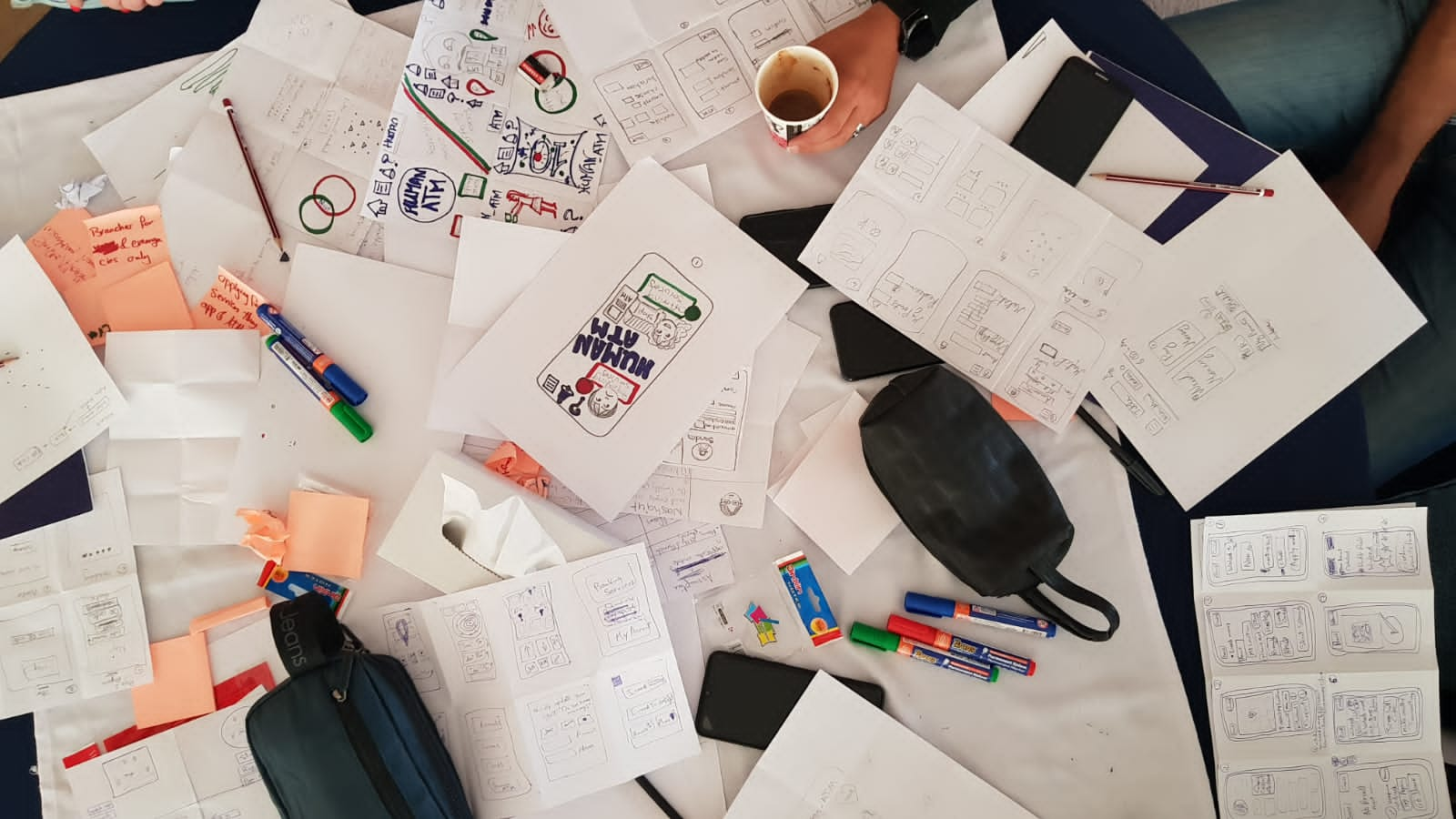
The most common excuse for skipping validation is the perceived need for speed. Leadership demands a rapid launch to capture market share or respond to a competitor. But launching a product that frustrates users does not capture market share; it alienates the market. Real speed comes from building the right thing the first time. Taking the time to test interactive models and prototypes accelerates the overall lifecycle because it eliminates the months of panicked rework that typically follow a blind launch.
The Methodology: Structuring the Validation Process
Gaining critical user insights for product success requires rigorous methodology. You cannot simply put a screen in front of a customer and ask if they like it. Preference is irrelevant. Performance is what matters. Our comprehensive user testing services provide actionable insights by observing behavior, not just recording opinions.
Defining Clear Executive Objectives
We start by defining clear objectives tailored to your business goals. Whether the mandate is uncovering usability issues that block conversions, validating major design choices before development begins, or measuring overall user satisfaction against a legacy platform, the objectives must dictate the approach. A vague test yields vague data. Our detailed test plans outline every step, ensuring a structured and effective process that aligns directly with your revenue and retention targets.
Scenario Design and Realistic Tasks
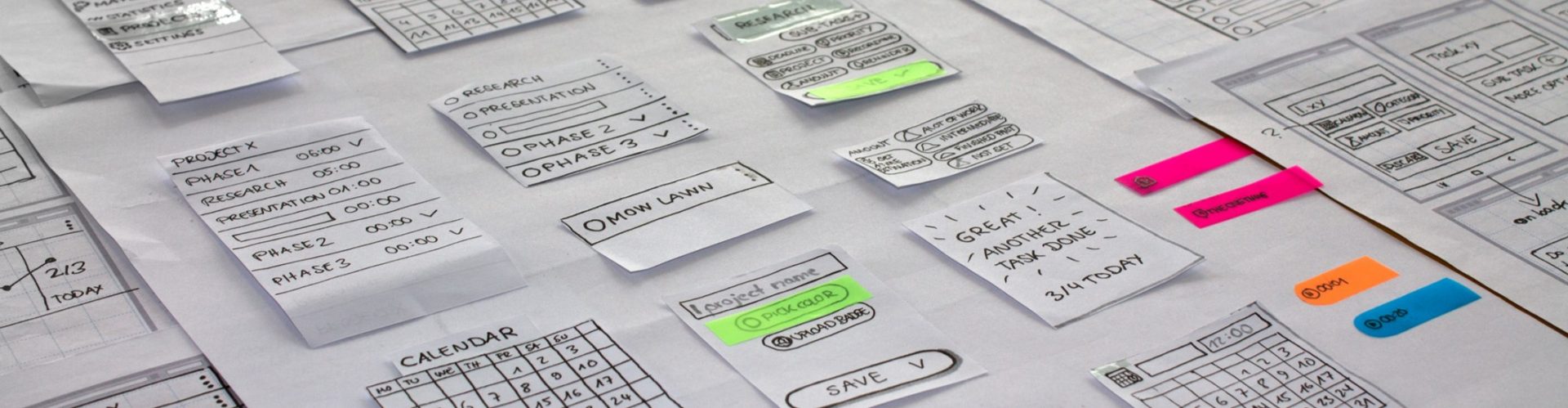
To gather essential data, our team crafts realistic tasks that reflect actual user behaviors. We design scenarios to provide context and background, making the testing experience relatable and engaging for participants. We do not ask users to critique the interface. We ask them to complete specific, critical functionalities—like completing a transaction, finding a specific piece of data, or onboarding a new account. By watching them navigate these workflows, we uncover and address any problems users encounter while navigating your product.
Live Sessions and Friction Analysis
Recorded sessions are a cornerstone of effective validation. Analyzing live sessions helps identify specific points of friction, moments of hesitation, and unexpected user behaviors. This meticulous approach ensures that every design decision is backed by empirical evidence. To manage this influx of qualitative data, we rely on advanced internal capabilities. The AI Insight Vault has transformed how our team interacts with knowledge. It acts as an AI co-pilot that safeguards and integrates all our findings, making our team significantly more efficient and productive. This allows us to deliver comprehensive analysis and actionable feedback to your executive team with unprecedented speed.
For organizations seeking to embed this rigorous validation into their continuous delivery cycles, establishing a dedicated UX Research & Lab capability is the most effective way to institutionalize user-centric decision making.
Proof and Outcomes: The ROI of Empathy
The return on investment for usability testing is immediate and measurable. You build products that users love and trust, which directly impacts customer lifetime value. By streamlining the user experience and improving navigation paths, you optimize user flows. An optimized user flow translates to higher conversion rates, fewer abandoned carts, and reduced friction in complex B2B dashboards.
We then collaborate with your engineering and product teams to ensure these findings are understood and effectively addressed, driving meaningful improvements. This is not about handing over a theoretical research document; it is about providing prescriptive product feedback and actionable improvements. When you enhance the overall user experience by implementing changes based on real user feedback, you systematically improve user satisfaction.
The broader business value is undeniable. According to research by McKinsey, companies that excel at user-centric design grow their revenues and shareholder returns at nearly twice the rate of their industry peers. Fostering customer loyalty requires creating engaging and valuable products that users will actually continue to use. You cannot achieve those financial outcomes by guessing. You achieve them by observing, measuring, and iterating.
The MENA Perspective: Local Nuance Dictates Global Success
The necessity of validation amplifies exponentially when operating in the Middle East and North Africa. What converts seamlessly in European or North American markets often fails in MENA. Cultural heuristics, deeply ingrained digital behaviors, and varying levels of trust in digital transactions create a unique landscape. Executives who attempt to port Western usability models directly into this region without local validation routinely destroy capital.
As MENA’s first UX Design and Innovation Agency, Webkeyz has spent over a decade documenting these regional nuances. The transition from Left-to-Right (LTR) to Right-to-Left (RTL) Arabic interfaces is not a mere translation exercise; it requires a fundamental restructuring of visual hierarchy and mental models. Furthermore, user expectations around data privacy, customer support access, and payment gateways differ drastically between Riyadh, Cairo, and Dubai.
Executive Takeaway
Your development team is an engine, but user testing is the steering wheel. Running an agile development process without continuous user validation is the equivalent of driving a sports car blindfolded. You will move very fast, but you will inevitably crash.
To ensure your product meets user expectations, you must demand empirical evidence before approving development budgets. Stop accepting internal UAT as a proxy for market readiness. Mandate that every major feature release is preceded by rigorous prototype validation with actual target customers. Shift the internal conversation from „What do we want to build?“ to „What does the user testing data prove we need to build?“
Transform your user experience today. Stop guessing what your market wants and start observing what they actually need.
Discuss your product validation strategy with Webkeyz.
Frequently Asked Questions
What is user testing and why is it critical for product development?
User testing is the process of observing real customers interact with a product or prototype to identify usability issues and gather feedback. It transforms subjective design debates into objective business decisions, serving as a crucial financial safeguard that validates assumptions before significant development investment. This systematic validation helps ensure digital products will drive revenue rather than frustration upon launch.
How does implementing user testing directly reduce development costs and mitigate project risk?
User testing is a strategic cost-reduction method because it catches issues early in the development cycle, avoiding expensive redesigns and rework. Discovering usability flaws post-launch can multiply financial impact through wasted engineering time, customer churn, and increased support costs. By identifying problems with just a few users, organizations prevent deploying unvalidated features that ultimately lead to project delays and budget overruns.
What is the key difference between User Acceptance Testing (UAT) and actual user testing?
User Acceptance Testing (UAT) primarily verifies that software functions according to its technical requirements and does not break, usually performed by internal teams. In contrast, actual user testing involves observing target customers use a product to determine if they can effectively and intuitively achieve their goals. UAT confirms system functionality, while user testing confirms market readiness and user experience from an external, unbiased perspective.
Why is hyper-localized user testing essential for digital products targeting the MENA region?
Hyper-localized user testing in the MENA region is crucial because cultural heuristics, digital behaviors, and trust in online transactions vary significantly from Western markets. Factors like Right-to-Left (RTL) Arabic interfaces, specific expectations around data privacy, and preferred payment gateways demand region-specific validation. webkeyz, as a leading UX agency in MENA, understands these nuances, ensuring products resonate culturally and perform effectively for local consumers.
How can organizations structure user testing to gain actionable insights for product success?
To gain actionable insights, organizations must define clear executive objectives for each test and craft realistic scenarios reflecting actual user behaviors. Observing live sessions helps identify specific points of friction, hesitation, and unexpected user paths. Leveraging advanced tools like webkeyz’s AI Insight Vault can then transform this qualitative data into comprehensive analysis, providing prescriptive feedback to product and engineering teams.
Until next time explore webkeyz’s case studies
and Keep Thinking!