

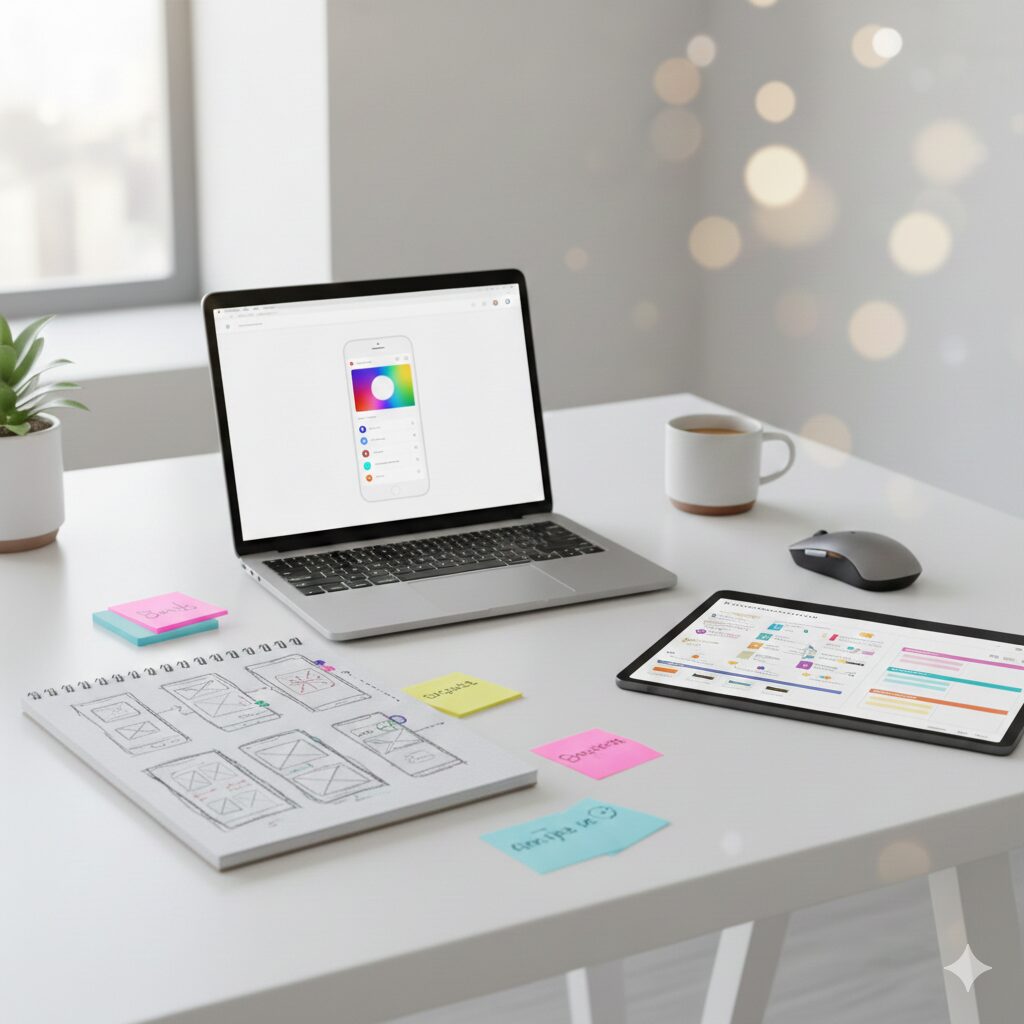
A UX design process is an operating discipline that protects adoption, reduces rework, and lowers cost-to-support. For leadership teams, the difference is measurable: faster time-to-value, fewer failed releases, and higher retention. In this guide, we’ll break down each phase of the UX design process and show you how to apply it to your next project.
What Is the UX Design Process?
The UX design process is a repeatable decision system that turns customer evidence into product choices with clear success metrics. It involves understanding user needs, defining problems, ideating solutions, prototyping designs, and testing with real users. This iterative loop reduces delivery waste by validating assumptions before engineering commits full build capacity.
Unlike traditional design approaches that focus primarily on aesthetics, the UX design process prioritizes usability, accessibility, and user satisfaction. It’s a human-centered methodology that puts the user at the heart of every decision.
The Five Core Phases of the UX Design Process
1. Research and Discovery
The foundation of any successful UX design process begins with thorough research. This phase is about understanding your users, their needs, pain points, and the context in which they’ll use your product.
Key activities include:
- User interviews: Conduct one-on-one conversations with potential users to understand their behaviors, motivations, and frustrations
- Competitive analysis: Examine how competitors solve similar problems and identify opportunities for differentiation
- Analytics review: Study existing data to uncover usage patterns and user behavior
- Stakeholder interviews: Align on business goals and constraints that will shape the design
During this phase, resist the urge to jump to solutions. Your goal is to gather insights, not make design decisions. Research time varies by risk and complexity; the goal is to prevent expensive rework by locking the real problem before solution design.
2. Define and Synthesize
Once you’ve gathered research, the next phase of the UX design process involves making sense of your findings. This is where raw data transforms into actionable insights.
Create key deliverables:
User personas represent your target users with specific demographics, behaviors, goals, and pain points. These profiles keep teams aligned on real user behaviors, constraints, and decision drivers.
User journey maps visualize how users currently interact with your product or service, highlighting pain points and opportunities for improvement at each touchpoint.
Problem statements clearly articulate the core challenges your design will address. A well-crafted problem statement guides ideation and keeps the team aligned on what success looks like.
This synthesis phase is critical because it bridges the gap between research and design. Without proper definition, teams often create solutions that don’t address the actual problems users face.
3. Ideate and Conceptualize
With a clear understanding of user needs and defined problems, the UX design process moves into ideation. This is the creative phase where quantity trumps quality initially.
Effective ideation techniques:
- Brainstorming sessions: Gather cross-functional team members to generate diverse ideas without judgment
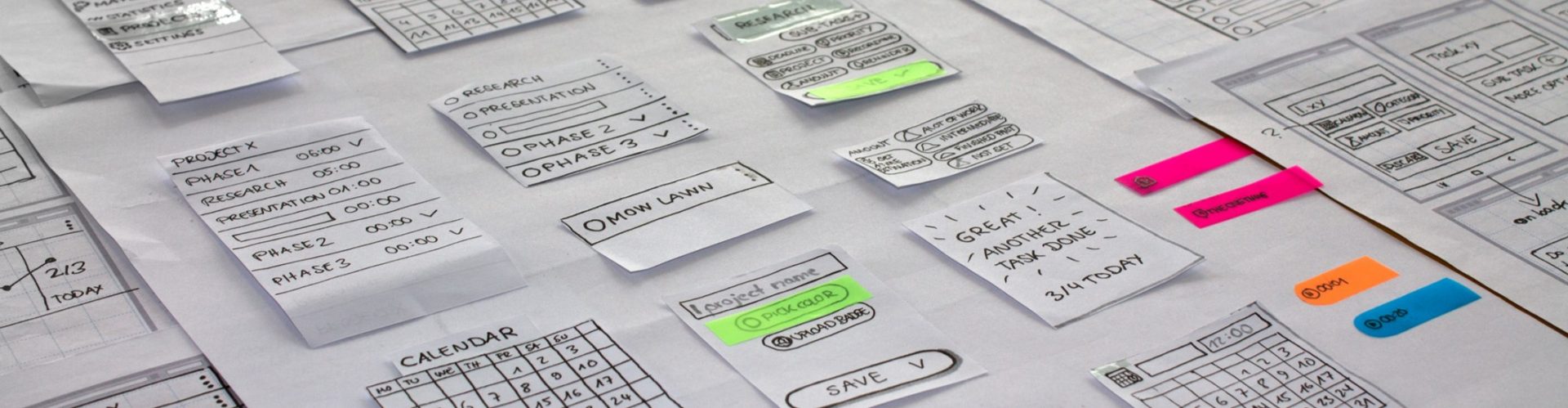
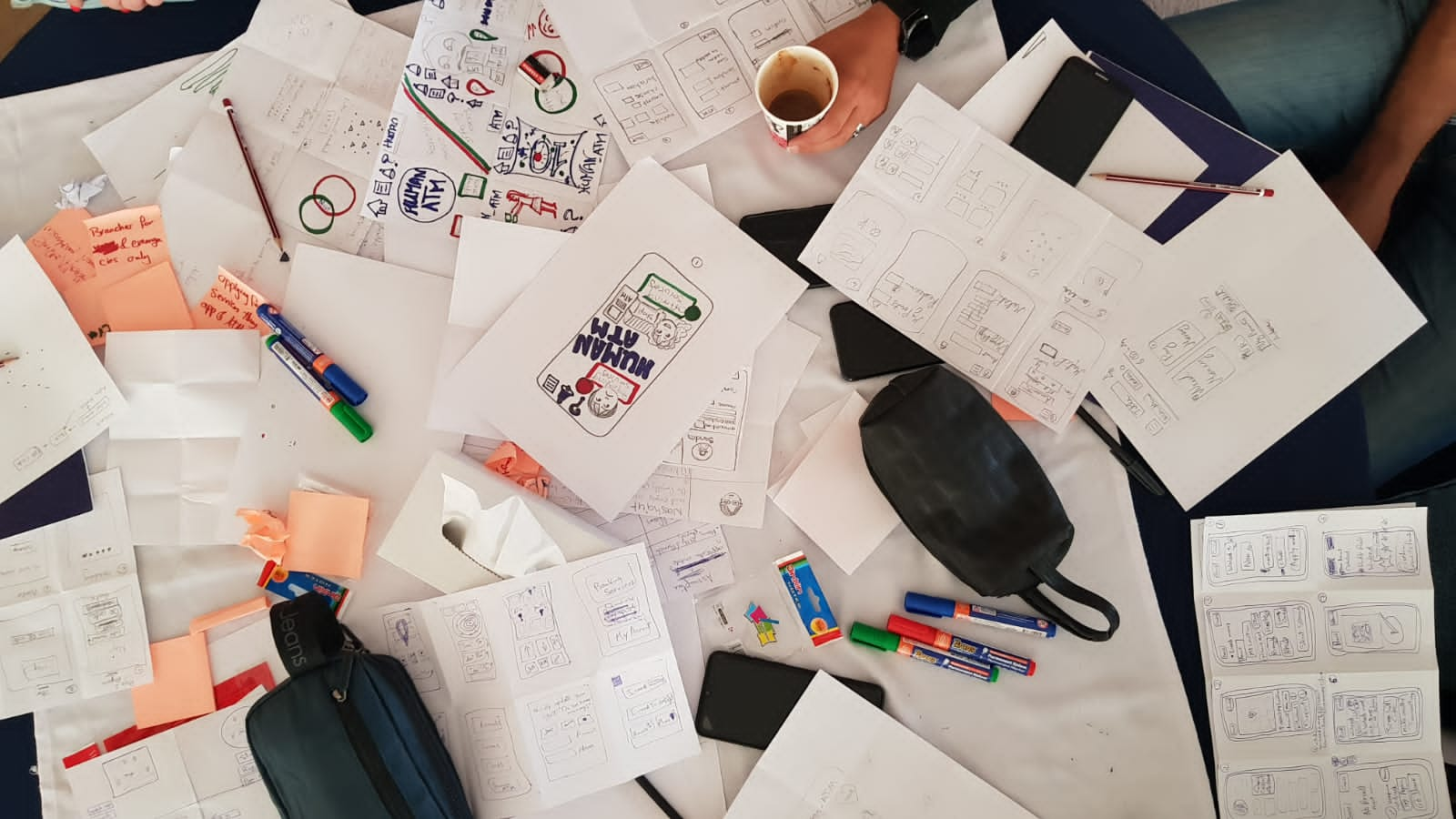
- Sketching: Quickly visualize concepts on paper before investing time in digital tools
- Design studios: Run collaborative workshops where team members sketch solutions and provide feedback
- Crazy 8s: A rapid sketching exercise where designers create eight different ideas in eight minutes
The key to successful ideation is separating idea generation from evaluation. Generate dozens of potential solutions before narrowing down to the most promising concepts. This divergent-convergent thinking pattern is a hallmark of an effective UX design process.
4. Prototype and Design
This phase de-risks delivery by testing flows and comprehension early, before teams scale development effort. Start with low-fidelity prototypes and progressively increase detail as you validate assumptions.
Prototyping progression:
Low-fidelity wireframes are rough sketches or simple digital layouts that focus on structure and functionality rather than visual design. These are quick to create and easy to modify based on feedback.
Mid-fidelity prototypes add more detail, including realistic content, proper spacing, and basic interaction patterns. These help stakeholders visualize the actual product more concretely.
High-fidelity prototypes look and feel like the final product, with polished visuals, micro-interactions, and realistic content. These are used for final validation before development.
Throughout prototyping, maintain a close connection to your research findings. Every design decision should trace back to user needs identified earlier in the UX design process. This prevents feature creep and ensures you’re solving real problems.
5. Test and Validate
Testing validates outcomes—task success, time-to-complete, error rate, and drop-off—before launch locks in bad friction. This phase involves putting your prototypes in front of real users and observing how they interact with your design.
Testing methodologies:
Usability testing asks users to complete specific tasks while you observe and take notes. This reveals where users struggle, where they excel, and where your assumptions were wrong.
A/B testing compares two versions of a design to determine which performs better based on specific metrics.
Accessibility testing ensures your design works for users with disabilities, including those using screen readers, keyboard navigation, or other assistive technologies.
The most important aspect of testing is embracing an iterative mindset. Rarely does a design succeed perfectly on the first attempt. Use test findings to refine your prototype and test again. This cycle of testing and iteration is what transforms good designs into exceptional ones.
Making the UX Design Process Work for Your Team
While the five-phase framework provides structure, remember that the UX design process is flexible and iterative. You don’t always move linearly from research to testing. Often, testing reveals new insights that send you back to research or ideation.
Best practices for implementation (run this as an operating rhythm, not a one-off project):
- Involve stakeholders early and often: Regular check-ins prevent surprise objections late in the process
- Document decisions, not just artifacts: Maintain a decision log that records trade-offs, owners, and success metrics
- Budget adequate time: Rushing the UX design process undermines its value and leads to poor decisions
- Embrace failure: Not every idea will succeed, and that’s valuable information
The Business Value of a Strong UX Design Process
Organizations that invest in a robust UX design process see measurable returns.ROI varies by context; measure impact through adoption, conversion, retention, and cost-to-support reduction. If measurement is missing, ROI is NA. Organizations with mature design practices can outperform peers when a clear measurement spine links UX work to business outcomes.
Beyond financial metrics, a solid UX design process reduces development waste by catching problems early, improves team alignment around user needs, and creates products that users genuinely want to use.
Conclusion
A UX design process is not optional when scale matters; it protects revenue outcomes and reduces execution waste. Run these five phases as a loop, and product decisions shift from opinion to evidence—with fewer surprises at launch.
Remember, the goal isn’t to follow this process rigidly but to embrace its principles: understand your users deeply, define problems clearly, explore solutions creatively, prototype efficiently, and test relentlessly. Master this approach, and you’ll consistently deliver products that users love.
Start with one high-impact journey, define success metrics upfront, document decisions, and scale what proves results. Scale what proves results—and stop funding what doesn’t.
Until next time explore webkeyz’s case studies
and Keep Thinking!