




Understanding the Role of Interface Designers in Today’s Digital Landscape
The digital revolution has fundamentally transformed how businesses connect with their audiences, and at the heart of this transformation are interface designers. These creative professionals craft the visual and interactive elements that users engage with every day across websites, mobile applications, software platforms, and emerging technologies. As organizations scale digital products into 2026, interface design has become a direct lever for adoption speed, operational efficiency, and customer trust.
Interface designers, often working at the intersection of user interface (UI) and user experience (UX) design, are responsible for creating digital touchpoints that are not only visually stunning but also intuitive, accessible, and aligned with business objectives. With billions of digital touchpoints competing for attention and billions of people relying on digital platforms daily, the demand for skilled interface designers continues to surge across industries.
Job Market Outlook: Strong Demand Despite Market Fluctuations
The employment outlook for interface designers remains optimistic despite some market turbulence in recent years. The U.S. Bureau of Labor Statistics projects 7% employment growth from 2024 to 2034—much faster than the average for all occupations. For executives, this signals sustained competition for interface capability—not short-term hiring noise.
Understanding Recent Market Dynamics
While some headlines have focused on tech layoffs, the reality is more nuanced. According to recent industry analysis, UX job postings decreased from their 2022 peak, primarily due to over-hiring during the pandemic followed by market correction. However, this does not indicate reduced demand—only higher expectations for measurable impact.
The decline in job postings can be attributed to:
- Market Stabilization: Companies are returning to sustainable hiring practices after pandemic-era expansion
- Increased Selectivity: Organizations are prioritizing quality over quantity in their design hires
- Sector Shifts: While traditional tech companies have slowed hiring, other sectors are ramping up
Emerging Growth Sectors for Interface Designers
Beyond traditional tech companies, three major sectors are experiencing significant growth in demand for interface designers:
1. Government and Civil Service Government and civil service organizations are accelerating digital hiring as service delivery moves decisively online. The US Department of Veterans Affairs alone hired over 1,000 tech professionals in 2023, and the Department of Labor announced $204 million in grants to improve unemployment insurance system user experiences.
2. Financial Services Banks and fintech companies are investing heavily in digital transformation, creating demand for interface designers who can create intuitive, secure, and efficient financial platforms.
3. Healthcare and Medical Technology Digital healthcare solutions are prioritizing usability and accessibility, leading to increased demand for interface designers who can improve patient experiences and healthcare delivery systems.
Essential Skills Every Interface Designer Needs in 2024-2026
The skill set required for interface designers continues to evolve alongside technological advancement. Success in this field demands a balanced combination of technical proficiency, creative excellence, and interpersonal capabilities.
Core Technical Skills
1. Design Principles Mastery
- Visual Design: Deep understanding of color theory, typography, spacing, and composition
- Layout Mastery: Organizing interface elements for optimal functionality and aesthetic appeal
- Visual Hierarchy: Strategically arranging elements to guide user attention and facilitate intuitive navigation
- Responsive Design: Creating interfaces that work seamlessly across devices and screen sizes
2. Design Tools Proficiency Tool proficiency matters less than the ability to translate complexity into clear, repeatable user actions:
- Figma: Collaborative design platforms increasingly embed AI, reducing production time while raising the bar for design judgment.
- Adobe Creative Suite: Photoshop, Illustrator, XD for visual design
- Sketch: Popular for UI design workflows
- Prototyping Tools: InVision, Framer, Axure, Marvel for interactive mockups
- Design Systems: Component libraries and style guides for consistency
3. Interaction Design Creating meaningful microinteractions that provide instant feedback and guide users through tasks represents a crucial skill. According to Dan Saffer, leading voice on microinteractions, each microinteraction consists of four components: trigger, rules, feedback, and loops/modes. Mastering these elements helps designers create interfaces that feel responsive and alive.
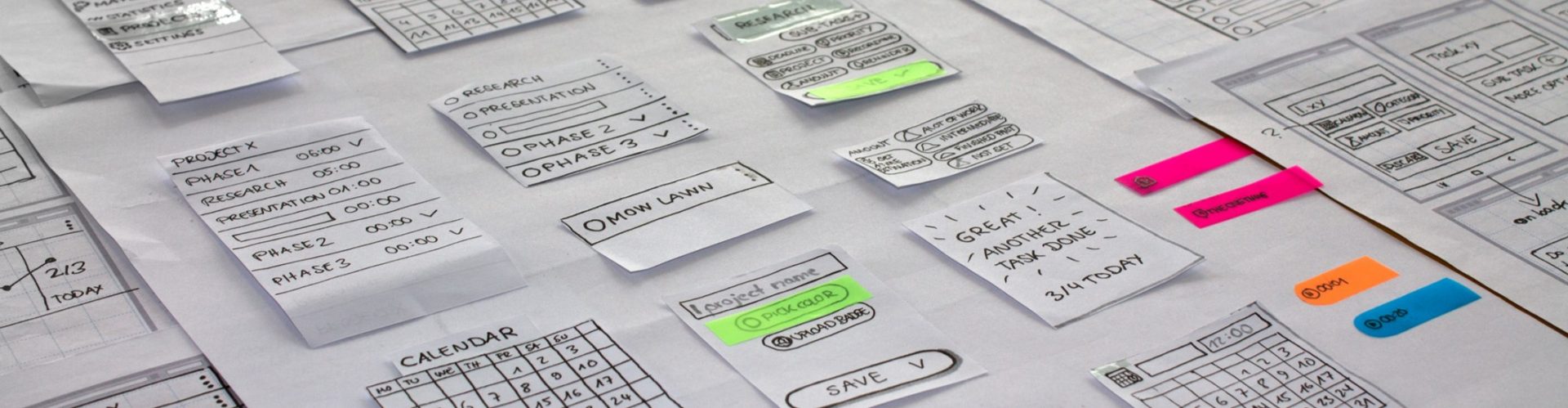
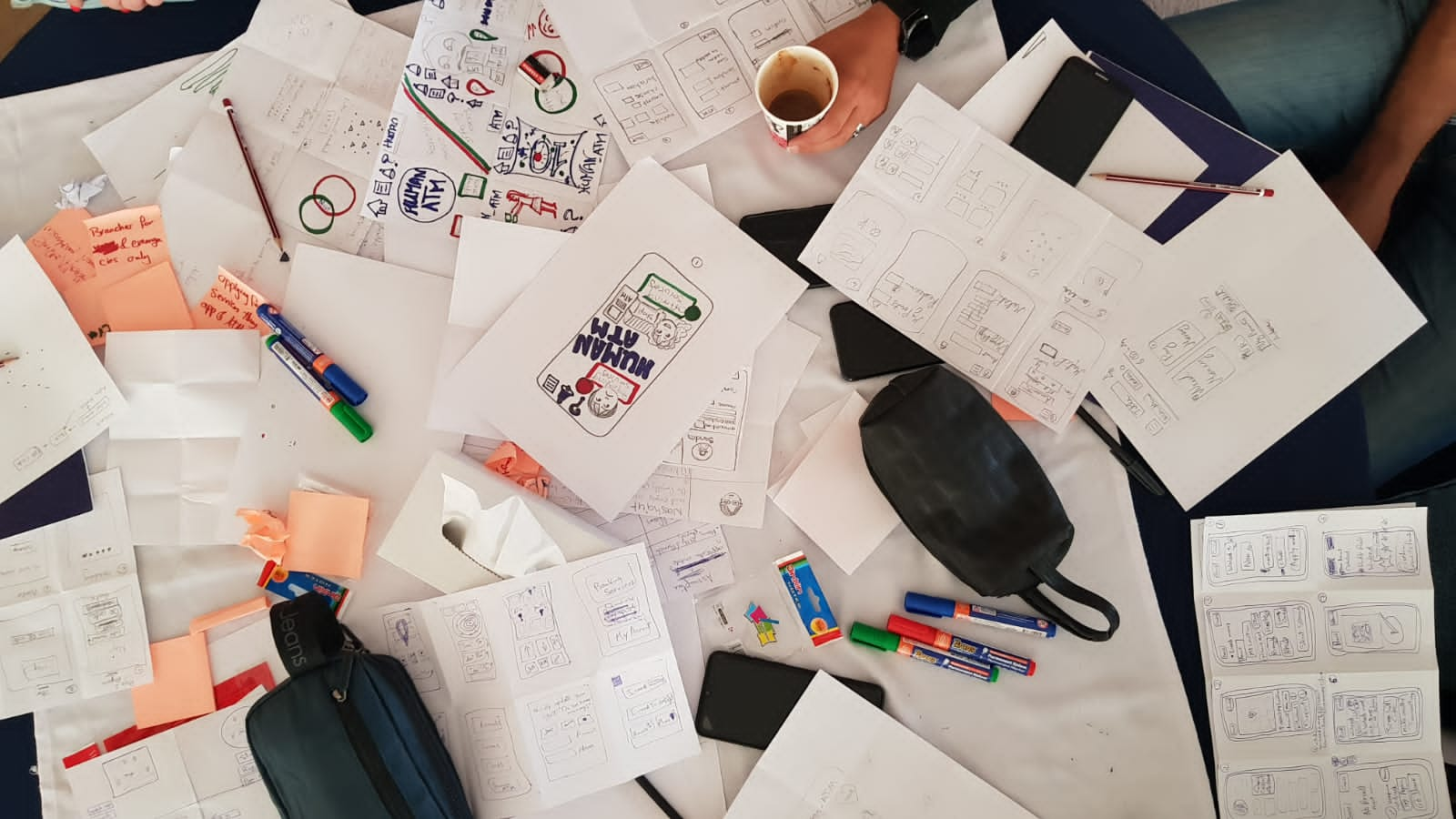
4. Wireframing and Prototyping The ability to create low-fidelity wireframes through high-fidelity interactive prototypes allows designers to test concepts before development, saving significant time and resources.
5. Basic Coding Knowledge While not always required, understanding HTML, CSS, and JavaScript fundamentals enables better collaboration with developers and more realistic design decisions. Many interface designers find that coding knowledge makes them more versatile and valuable to employers.
User-Centered Design Skills
1. User Research Capabilities Understanding target audiences through various research methodologies:
- User interviews and surveys
- Usability testing
- A/B testing
- Analytics interpretation
- Persona development
2. Information Architecture Organizing and structuring information for optimal user comprehension through clear navigation systems, meaningful categorization, and logical content hierarchies.
3. Empathy and User Advocacy The ability to understand and empathize with user needs, preferences, and pain points enables designers to create interfaces that genuinely resonate with target audiences. This skill transforms data into meaningful design decisions.
Execution Capabilities That Determine Design’s Business Impact
1. Communication Excellence Interface designers must articulate design rationale to stakeholders, collaborate with cross-functional teams, and present concepts persuasively. Clear communication helps designers elicit useful information from users and generate stakeholder buy-in.
2. Problem-Solving Creativity Converting complex requirements into user-friendly interfaces requires strong analytical and creative problem-solving abilities. Designers must navigate ambiguous challenges and adapt to evolving business objectives.
3. Collaboration and Teamwork Working effectively with developers, product managers, UX researchers, and business stakeholders ensures design efforts integrate smoothly within larger project contexts.
4. Adaptability and Continuous Learning The design field evolves rapidly. Successful interface designers stay current with emerging trends, tools, and technologies while remaining flexible in their approach.
Emerging Skills for 2024-2026
1. AI Integration Understanding With artificial intelligence transforming the industry, interface designers must understand how AI algorithms impact user experiences and how to design AI-driven interfaces that adapt and personalize based on user behavior.
2. Conversation Design Conversation design is expanding rapidly as voice and chat interfaces move into core product flows.
3. Design Strategy Strategic design capability is increasingly valued as organizations demand tighter alignment between interface decisions and business objectives.
4. Accessibility Expertise With guidelines like the EU’s WCAG 2.1, accessibility design has shifted from afterthought to fundamental requirement. Interface designers must create inclusive experiences from the start.
5. Emotional Intelligence in Design Creating interfaces that acknowledge and address users’ emotional states, providing empathetic error messages, and adapting to mood represents an emerging frontier in interface design.
Interface Design Trends Shaping 2024-2026
For executives, interface trends matter only when they reduce friction, accelerate adoption, or protect long-term brand trust. Understanding these trends helps interface designers remain competitive and create relevant, engaging experiences.
1. AI-Powered Personalization
Interfaces are moving beyond simple content recommendations toward truly adaptive experiences. AI algorithms now enable dynamic layout adjustments, personalized content hierarchies, and predictive user interfaces that anticipate needs based on behavior, context, and habits. Netflix exemplifies this approach, customizing not just recommendations but even thumbnail images based on individual user preferences—showing action-packed scenes for thrill-seekers and emotional moments for drama enthusiasts.
2. Liquid Glass Aesthetics
Inspired by Apple’s evolving design language, the “Liquid Glass” trend reintroduces depth, translucency, and motion in interfaces. Surfaces appear fluid and dynamic, reflecting light and color as users navigate through them. This aesthetic creates interfaces that feel closer to the physical world while maintaining futuristic sophistication. However, designers must balance this trend with accessibility concerns, particularly ensuring text remains readable in various lighting conditions.
3. Neumorphism Evolution
This design style creates soft, tactile screen experiences through subtle shadows and highlights. In 2024-2026, neumorphism is evolving to include more interactive elements where light and shadow respond to user interactions—pressing buttons, sliding toggles—creating interfaces that feel intuitive and natural, particularly during extended use periods.
4. Microinteractions and Animation
Static designs are becoming the exception rather than the rule. Interface designers are incorporating thoughtful animations, hover effects, and interactive elements that make interfaces feel responsive and alive. Even subtle movements dramatically improve user engagement. According to industry experts, microinteractions are not merely utilitarian—they infuse personality and delight into digital experiences.
5. 3D Elements and Spatial Design
The use of 3D design elements is expanding beyond gaming and e-commerce into educational apps, virtual event platforms, calendars, and fitness applications. Apple’s Vision Pro introduction of “windows in space” has pushed interface designers to think beyond flat screens, considering how interfaces function in spatial computing environments.
6. Glassmorphism Refinement
The translucent, frosted-glass effect defining this style offers sleek, modern aesthetics adaptable to both mobile and desktop interfaces. In 2024, designers are finding innovative glassmorphism applications in data visualization, where blurred backgrounds paired with sharp data points create focus on critical information without overwhelming users.
7. Dark Mode as Standard
Dark mode has evolved from novelty to expected feature. Interface designers must now consider dark mode as essential rather than optional, ensuring their designs work effectively in both light and dark themes while reducing eye strain and conserving battery life on OLED screens.
8. Voice and Gesture-First Interfaces
While conversational interfaces have gained popularity, the industry is seeing a shift toward balanced approaches. Spotify’s gesture-based navigation demonstrates this perfectly—users swipe, tap, or drag songs to reorder, queue, or adjust playback, offering precise control while avoiding misunderstandings common with voice commands.
9. Sustainable Design Considerations
As environmental concerns grow prominent, sustainability is becoming crucial in interface design. Designers are optimizing energy consumption, reducing carbon footprints, and promoting responsible design choices that consider environmental impact alongside user experience.
10. Cross-Platform Consistency
With users accessing services across multiple devices, ensuring seamless experiences regardless of platform has become paramount. Interface designers must create cohesive design systems that maintain brand identity and usability across web, mobile, tablet, and emerging devices.
Until next time explore webkeyz’s case studies
and Keep Thinking!