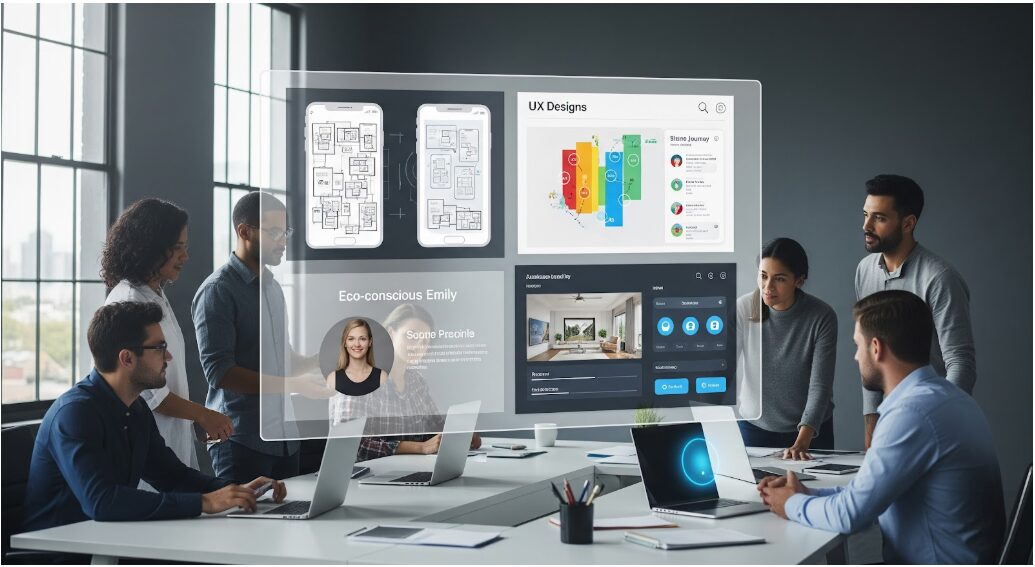




Retail environments across the MENA region are undergoing a ruthless polarization. Companies are investing unprecedented capital into digital customer acquisition, yet they routinely abandon those same customers the moment they cross the physical threshold of a brick-and-mortar location. Customers arrive armed with digital research, precise preferences, and high expectations, only to be met by a physical environment that operates completely blind to their digital journey. This fracture between online intent and physical execution is not merely a customer satisfaction issue. It represents a massive, unchecked leak in your revenue pipeline that only rigorous in-store service design can fix.
The traditional approach to retail operations treats the digital storefront and the physical showroom as parallel universes. Executives demand frictionless e-commerce experiences but tolerate physical retail environments where customers must repeatedly explain their needs to disconnected floor staff. Exceptional in-store service design eliminates this friction by treating the physical environment with the exact same analytical rigor and user-centric logic applied to a digital checkout flow. When properly executed, in-store service design transforms a static showroom into a dynamic, data-driven conversion engine that respects the customer’s time and accelerates the path to purchase.
As MENA’s first UX Design and Innovation Agency, webkeyz has observed a distinct regional reality: consumers in this market expect a seamless blend of hyper-convenience and premium, high-touch engagement. You cannot meet this expectation through isolated digital teams or traditional floor management alone. You must architect a cohesive physical-digital handshake. Mastering in-store service design is no longer an optional luxury for flagship locations; it is the fundamental operational baseline required to defend market share, maximize physical footprint profitability, and justify retail real estate expenditures.
The High Cost of Disjointed In-Store Service Design
Retailers spend millions driving traffic to their digital platforms, optimizing every micro-interaction to capture intent and build customized profiles. However, without deliberate in-store service design, that valuable data evaporates the second the customer decides to finalize their high-ticket purchase in person. A customer might spend hours online configuring a living room set or comparing luxury timepieces, only to enter a store where the sales associate has zero visibility into that pre-existing relationship. This failure of in-store service design forces the customer to restart their buying journey from zero, creating instant frustration and significantly increasing the likelihood of cart abandonment.
The financial penalty for ignoring in-store service design compounds across multiple operational metrics. When floor staff operate without digital context, their consultation time increases, reducing overall staff utilization and efficiency. Instead of functioning as trusted advisors who close pre-qualified sales, they are reduced to basic order-takers or search engines for physical inventory. Strategic in-store service design systematically routes digital data to physical touchpoints, ensuring that human intervention is applied precisely where it creates the most commercial value.
Furthermore, disjointed physical experiences severely damage brand equity and erode the return on digital marketing investments. According to McKinsey, omnichannel customers shop more frequently and spend substantially more than single-channel shoppers, yet fractured physical transitions actively drive these high-value consumers to competitors. If your digital app promises a personalized, predictive experience, your in-store service design must deliver the physical equivalent. Failing to bridge this gap means you are paying premium acquisition costs only to lose the sale at the final, most critical physical mile.
Why Flawed In-Store Service Design Persists Across Retail Enterprises
The root cause of broken physical retail experiences rarely stems from a lack of executive desire; it stems from deeply entrenched organizational silos. In most enterprise structures, the e-commerce director owns the digital P&L, while the regional operations manager owns the physical stores. Because these divisions operate with different KPIs, different incentive structures, and separate budgets, cohesive in-store service design becomes an organizational orphan. Digital teams optimize for screen conversions, operations teams optimize for floor coverage, and nobody takes accountability for the transitional whitespace between the two domains.
Legacy technology stacks further complicate the execution of seamless in-store service design. Point-of-sale systems, CRM databases, and inventory management platforms are frequently stitched together through fragile integrations that cannot deliver real-time insights to the retail floor. Without the technical infrastructure to support fluid data exchange, attempts at in-store service design remain superficial. Floor staff cannot anticipate customer needs if the CRM takes twenty-four hours to sync digital browsing histories with physical store tablets.
The Structural Barrier to Cohesive In-Store Service Design
Beyond technology and departmental silos, a fundamental misunderstanding of service design methodology paralyzes progress. Many executives confuse in-store service design with interior design or visual merchandising. Visual merchandising dictates where the product sits; in-store service design dictates how the customer and the staff interact around that product to facilitate a transaction. When leadership teams treat service design as an aesthetic exercise rather than an operational engineering discipline, they fail to map the actual workflows required to guide a customer from digital intent to physical fulfillment.
To overcome these structural barriers, enterprise leaders must enforce cross-functional governance over the entire customer journey. E-commerce metrics and physical store performance can no longer be evaluated in isolation. A failing physical conversion rate is often a symptom of poor digital hand-offs, just as a high digital cart abandonment rate can be a symptom of a difficult physical return process. Harmonizing these elements requires empowering a unified experience team to architect and enforce in-store service design standards across all operational boundaries.
How to Architect Profitable In-Store Service Design Workflows
Effective in-store service design requires mapping the customer journey backward from the point of transaction, identifying exactly what data is needed to close the sale, and capturing that data before the customer ever arrives. Consider the structured approach of leading furniture retailers who systematically bridge digital planning with physical execution. Rather than waiting for passive foot traffic, a robust in-store service design model actively pulls the customer into a defined workflow by prompting them to request an “In-Store Design Appointment” or an “In-Home Design Appointment” directly through the digital platform. This simple mechanism transforms an anonymous browser into a highly qualified, expected guest.
This orchestration extends deeply into how physical space is navigated and categorized. When a customer books an appointment, sophisticated in-store service design dictates that they specify their focus area—allowing the system to route them directly to “Shop Living Room in These Galleries,” “Shop Bedroom,” or “Shop Dining.” This pre-selection allows store management to assign the most qualified specialist to the appointment and ensures the physical consultation begins immediately at the point of interest. The customer does not wander aimlessly; the in-store service design provides a curated, high-efficiency path through the showroom.
Engineering the Pre-Arrival Phase of In-Store Service Design
The most profitable in-store service design strategies leverage deliberate friction to qualify leads and prevent costly downstream operational failures. For complex purchases, physical execution relies on accurate environmental data. By requiring the customer to provide specific details prior to the appointment—such as mandatory “stairway measurements (if designing an upper or lower level space)”—the retailer anchors the digital dream in physical reality. This specific tactic within in-store service design not only secures the customer’s psychological commitment to the purchase but also drastically reduces the expensive reality of reverse logistics caused by failed deliveries.
Translating Digital Constraints into In-Store Service Design Parameters
The culmination of this workflow is the post-visit digital retention loop. If the in-store service design consultation does not result in an immediate on-site transaction, the physical data must feed directly back into the digital marketing engine. Retailers execute this by capturing explicit consent during the physical visit, ensuring customers “agree to receive recurring autodialed marketing text msgs (e.g. cart reminders)” tied directly to the items discussed on the floor. When coupled with “Special Finance & Exclusive In Store Offers” delivered via these SMS or email sequences, the in-store service design loop is completed, driving the customer back to the digital cart to finalize the transaction they began in the showroom.
Every touchpoint in this sequence is deliberate and measurable. The transition from digital browsing to booking, the physical measurement requirements, the guided gallery tours, and the automated text reminders represent the practical mechanics of in-store service design. By treating the physical store as a node within a larger digital ecosystem, executives can engineer predictable revenue outcomes rather than relying on the unpredictable nature of unstructured retail walk-ins.
Measuring the Financial Impact of Optimized In-Store Service Design
Executives cannot scale what they cannot measure, which is why treating in-store service design as a quantifiable operational discipline is vital. The financial impact of these interventions is immediately visible in core retail metrics: appointment-to-close conversion rates, average order value (AOV), and physical floor staff utilization efficiency. When a customer arrives having already provided their stairway measurements and defined their gallery interests, the floor associate requires significantly less time to qualify the lead. This efficiency allows the retailer to handle higher volumes of high-value consultations without linearly scaling their physical payroll costs.
The willingness of consumers to spend more in optimized environments is well documented across the industry. Research from PwC consistently demonstrates that consumers are willing to pay a premium price for products when they receive a frictionless, highly personalized physical experience. In-store service design directly manufactures this premium experience by removing the cognitive load from the buyer. When the brand remembers their preferences, understands their physical space constraints, and offers targeted financing options automatically, price sensitivity decreases and brand loyalty accelerates.
Furthermore, the data generated by deliberate in-store service design informs broader enterprise strategy. When digital appointments dictate which galleries see the highest pre-booked traffic, inventory management and supply chain teams can adjust regional stock levels predictively. To explore how spatial logic and digital data combine to drive these efficiencies, executives frequently review specialized approaches like In-Store Experience Design to optimize their physical layouts. The insights gathered from structured floor interactions provide a much higher fidelity signal for procurement than passive digital click-through rates.
Ultimately, the ROI of in-store service design is validated by the reduction in operational waste. Fewer failed home deliveries due to pre-captured measurement data means lower logistical overhead. Higher close rates on the floor mean a better return on physical real estate investments. By connecting digital opt-ins, SMS cart reminders, and physical showroom visits into one unbroken analytical chain, leadership teams gain total visibility into the true cost of customer acquisition and the actual lifetime value generated by their physical locations.
Executive Imperatives for Scaling In-Store Service Design in MENA
For retail executives operating in the MENA region, the mandate to overhaul physical experiences carries exceptional urgency. The regional retail landscape is dominated by massive, premium mall environments where physical foot traffic remains a central cultural activity. However, high footfall does not automatically equate to high conversion. Competing in this market requires leveraging in-store service design to transform massive physical footprints into highly targeted, personalized service centers. The expectation for white-glove service is culturally ingrained; delivering it at enterprise scale requires rigorous operational design.
Leadership must initiate this transformation by auditing the exact moments where digital context is lost within the physical environment. Identify the points where a customer is forced to repeat themselves, where a digital cart is abandoned after a store visit, or where floor staff lack the data necessary to close a pre-qualified lead. These friction points dictate where your initial in-store service design investments must be deployed. Solutions like specialized Spatial Experience Design can help reconfigure the physical environment to support the new digital workflows seamlessly.
Furthermore, executives must aggressively dismantle the siloed incentive structures that penalize cohesive customer journeys. If a store associate spends an hour conducting a detailed in-store service design consultation, but the customer ultimately checks out via a recurring SMS cart reminder later that evening, the attribution model must reward both the physical staff and the digital channel. Aligning KPIs across e-commerce and physical operations is the only way to ensure that staff embrace the technology required to make the omnichannel vision a reality.
The future of retail belongs to organizations that refuse to accept the boundary between the screen and the showroom. Masterful in-store service design requires courage, capital, and cross-functional discipline, but it remains the most powerful lever available to differentiate your brand in a saturated market. Stop treating your digital platforms and physical stores as competing entities, and start architecting the connective tissue that drives them both.
To discuss how webkeyz can architect and implement data-driven service frameworks across your physical and digital environments, connect with our executive team here.